Up to 30% PCR in bakery packaging: what it takes
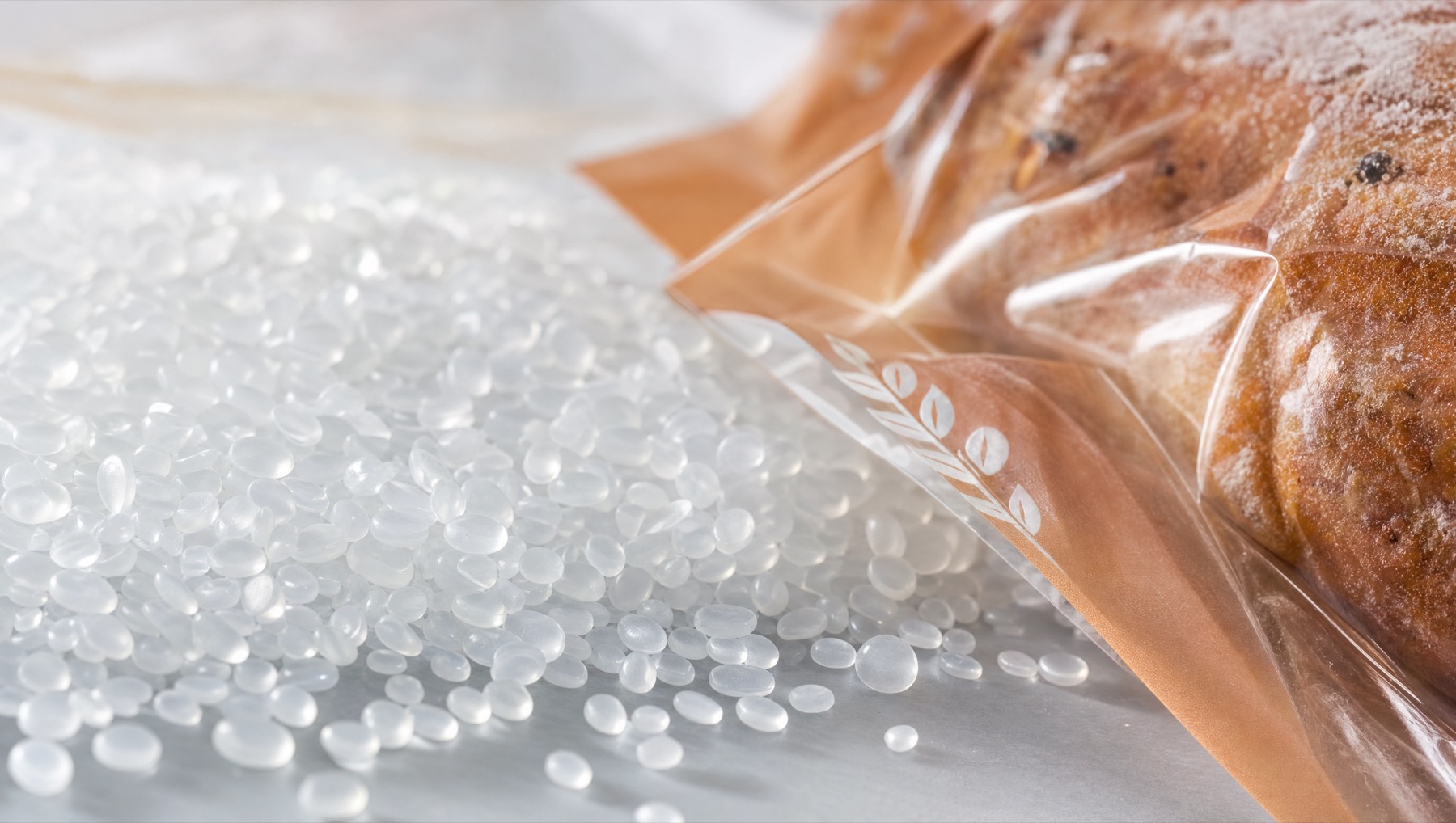
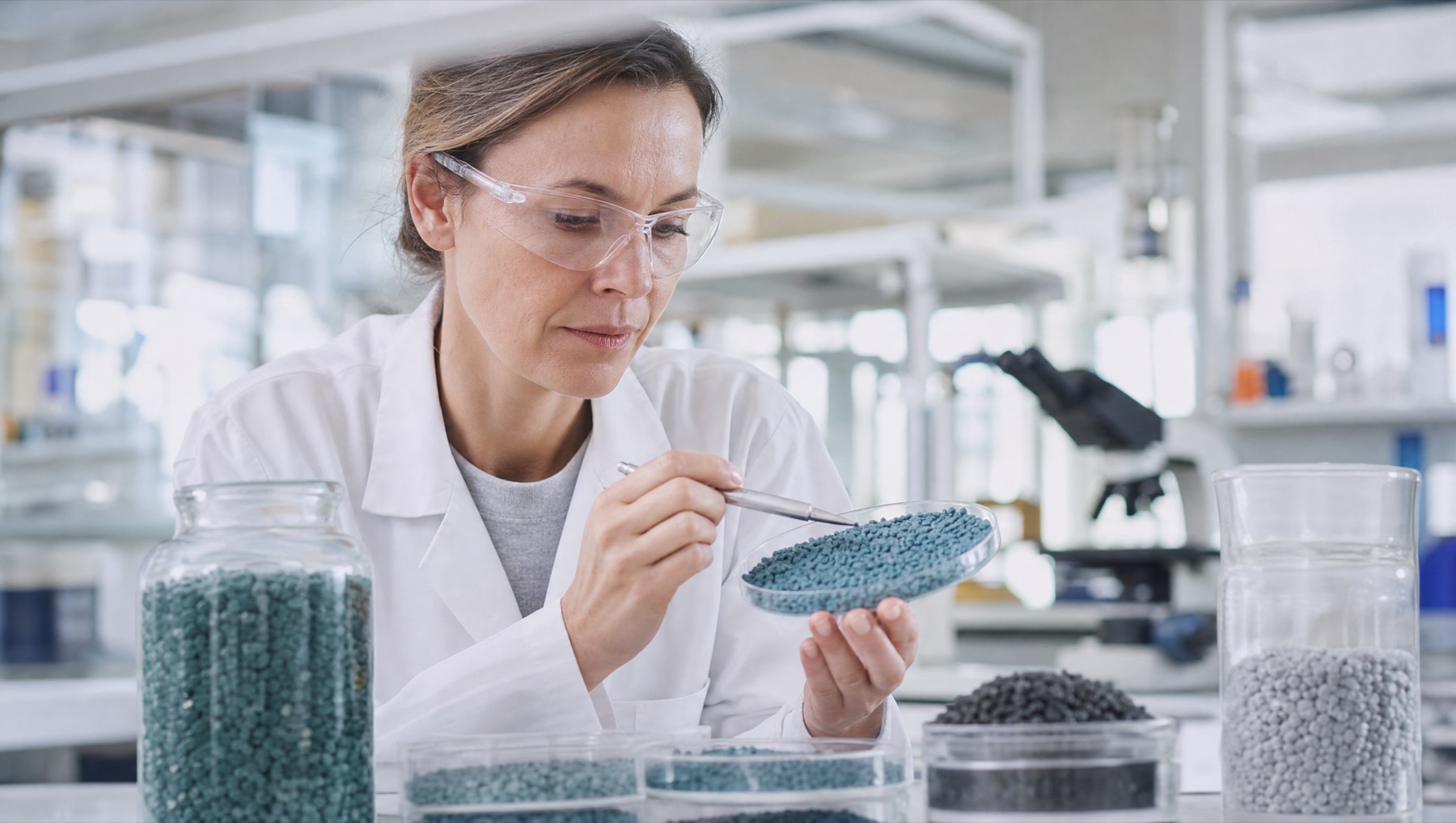
How we commercialized polyethylene bags with up to 30% post-consumer recycled content — without compromising food-contact compliance or line performance. Incorporating post-consumer recycled (PCR) content into food packaging is one of the most credible ways for brands to advance circular-economy commitments. But doing it in bakery packaging — where food-contact compliance, seal integrity and high-speed … Read more

Why coextruded films outperform monolayer for ice

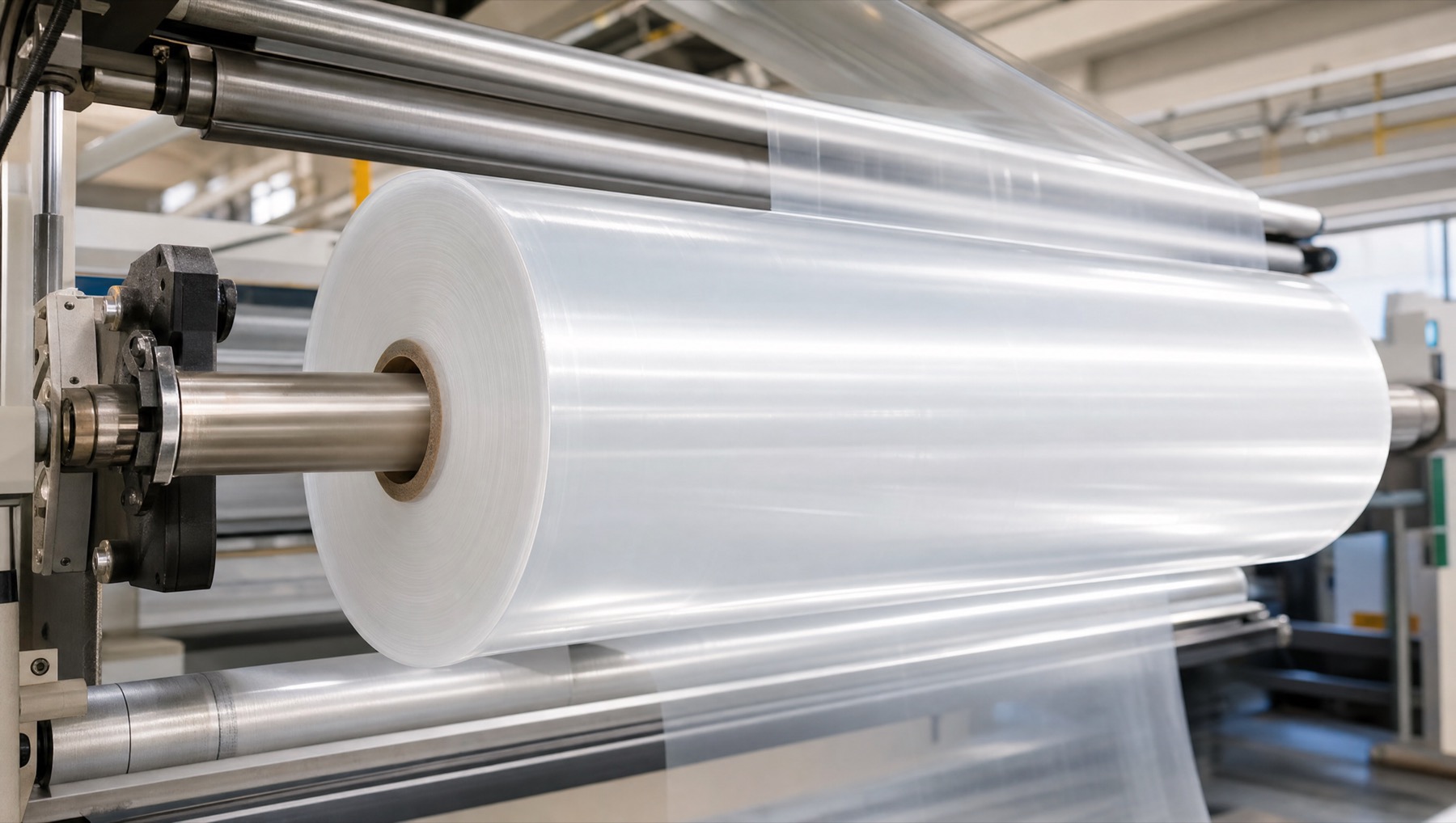
Three- and five-layer coextrusion delivers gauge consistency, stronger seals and low-temperature toughness that monolayer films can’t match. Ice and frozen packaging has to survive sub-zero temperatures, sharp edges and wet, high-speed bagging — all while keeping a clean, branded look. That’s where multilayer coextruded films pull ahead of traditional monolayer. Engineered layer by layer By … Read more

Welcoming FPS: fresh produce capabilities in Asia Pacific

Our 2026 acquisition of Flexible Packaging Solutions (Brisbane) expands our reach across Asia Pacific and deepens our fresh-produce expertise. In 2026 St. Johns Packaging expanded into Australia through the acquisition of Flexible Packaging Solutions Pty Ltd (FPS), based in Brisbane. FPS adds advanced capabilities in fresh produce packaging — printed rewind, laser-perforated films, lidding films … Read more

Solventless lamination, explained

A lower-impact lamination process that reduces coat weight and eliminates solvent emissions — without giving up barrier performance. Solventless lamination bonds film layers without the solvents used in conventional processes. The result is reduced coat weight and the elimination of solvent emissions — a smaller environmental footprint for the finished package. Where it fits The … Read more

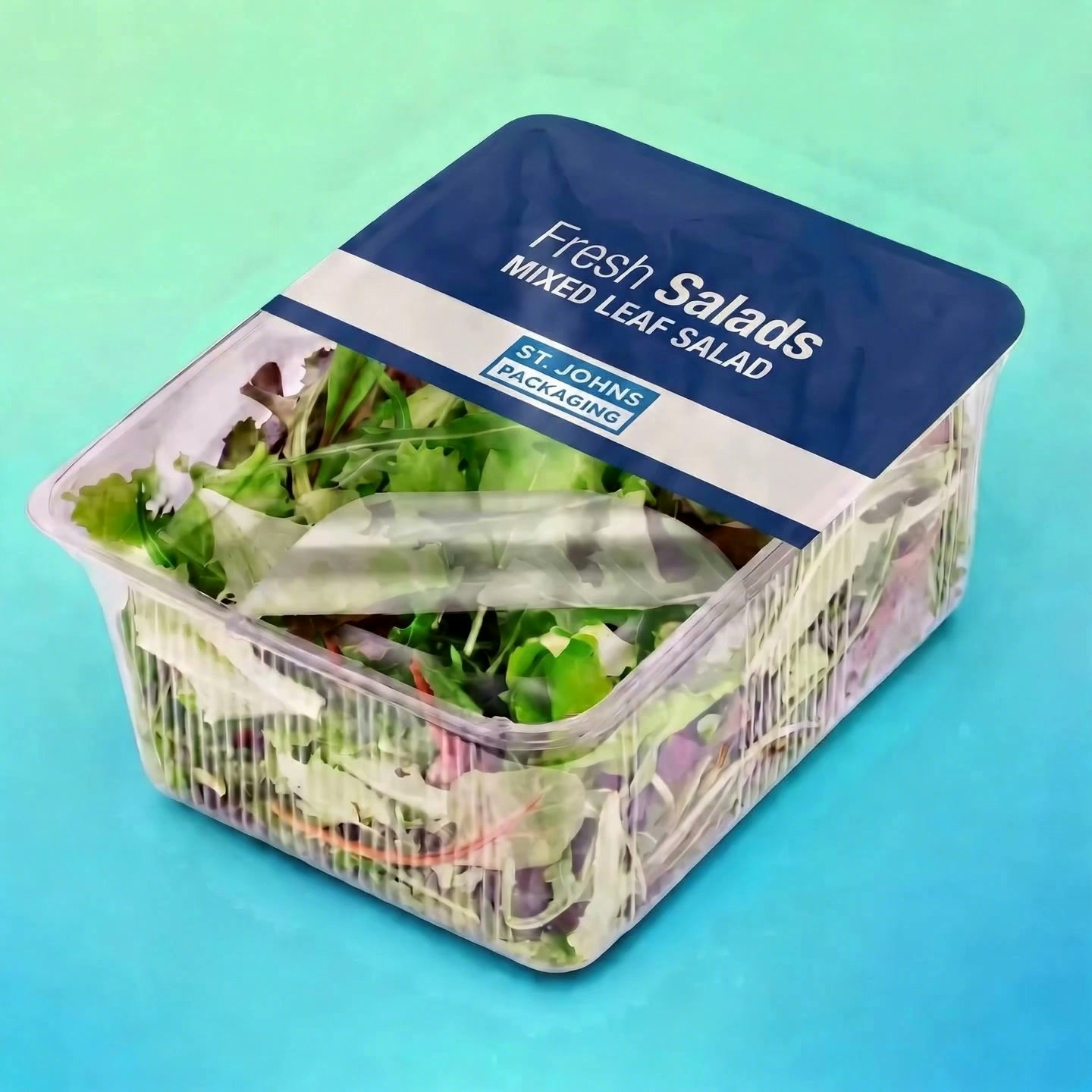
Choosing the right barrier for fresh produce

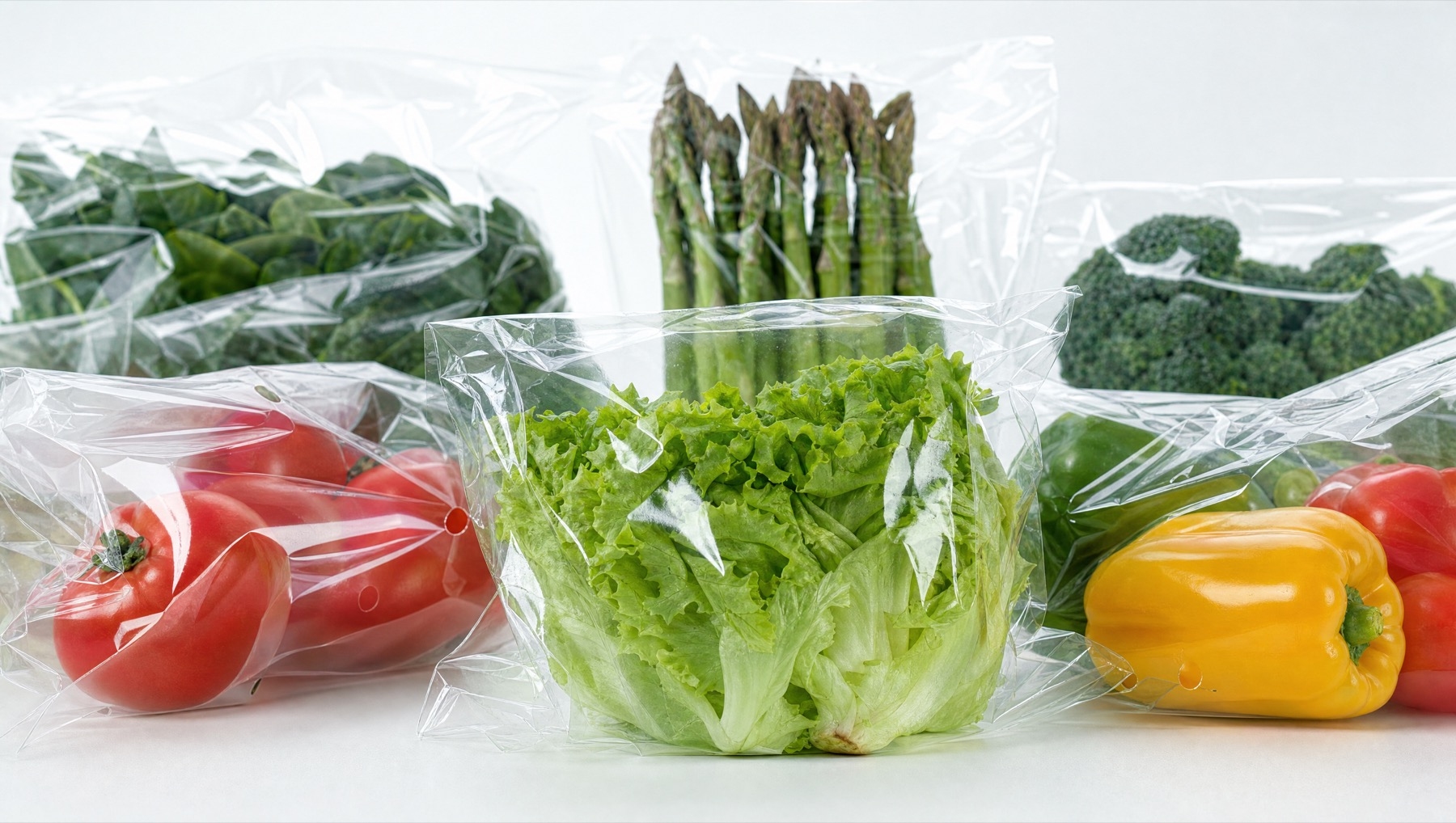
Breathability vs. protection — how laser microperforation and tuned film structures extend the life of respiring produce. Fresh produce keeps respiring after harvest, so its packaging has to manage gas exchange — not just seal it shut. Get the balance wrong and you trade shelf life for fog, or freshness for spoilage. Tuned to the … Read more

Downgauging without compromising performance

Using less material is one of the most immediate ways to cut packaging footprint — if the film still performs on the line. Downgauging — making films thinner — reduces material usage, cost and carbon footprint. The challenge is keeping strength, seal integrity and machinability intact. Engineered, not just thinner Through coextrusion and resin selection, … Read more

What ISCC Plus certification means for your packaging

Traceability is what turns ‘recycled content’ into a credible, defensible claim. Here’s how certification underpins it. As brands commit to recycled content, the question shifts from ‘can you add it’ to ‘can you prove it.’ ISCC Plus and SCS Global Services provide that chain of custody. From resin to claim Certified mass-balance accounting traces recycled … Read more

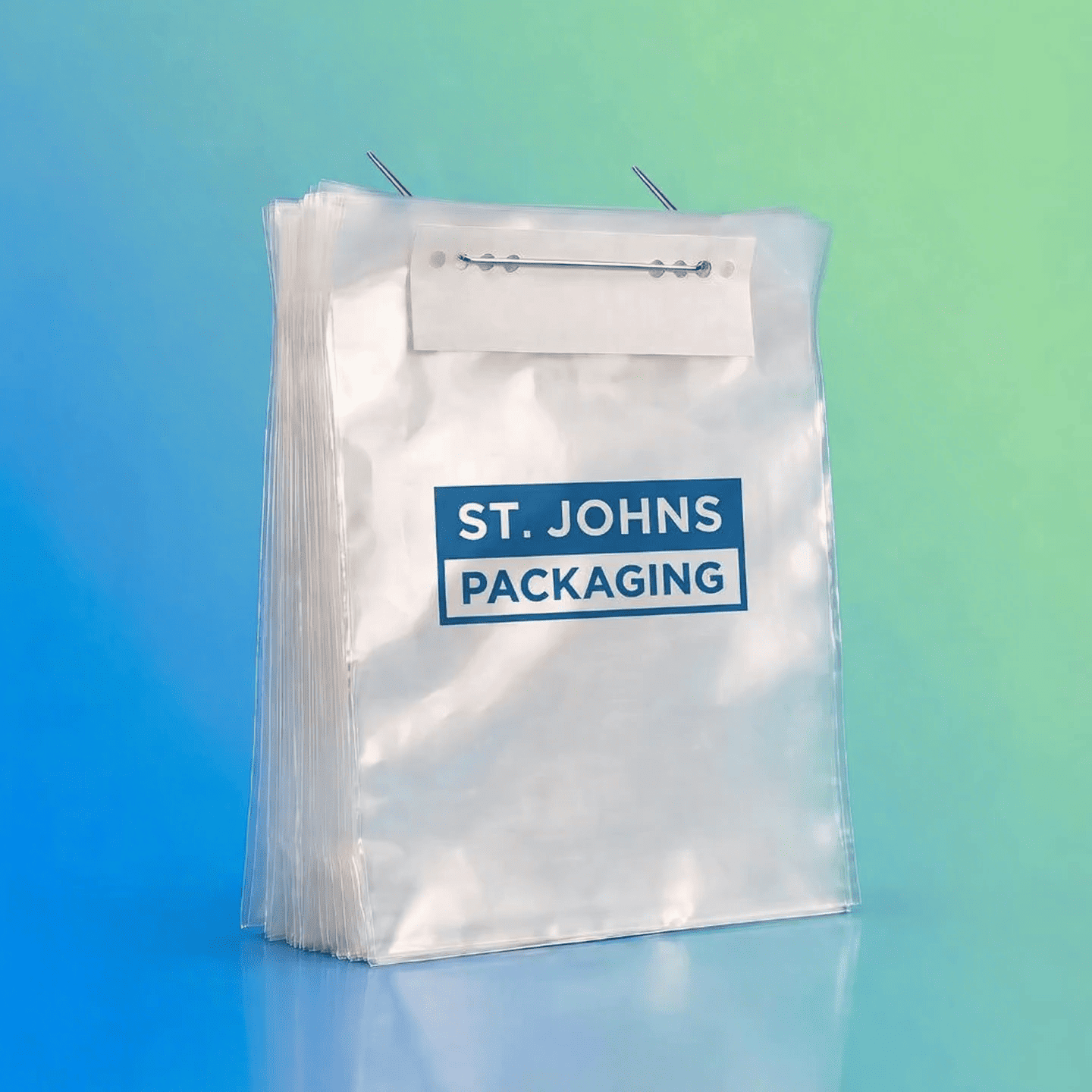
Designing wicket bags for high-speed bakery lines

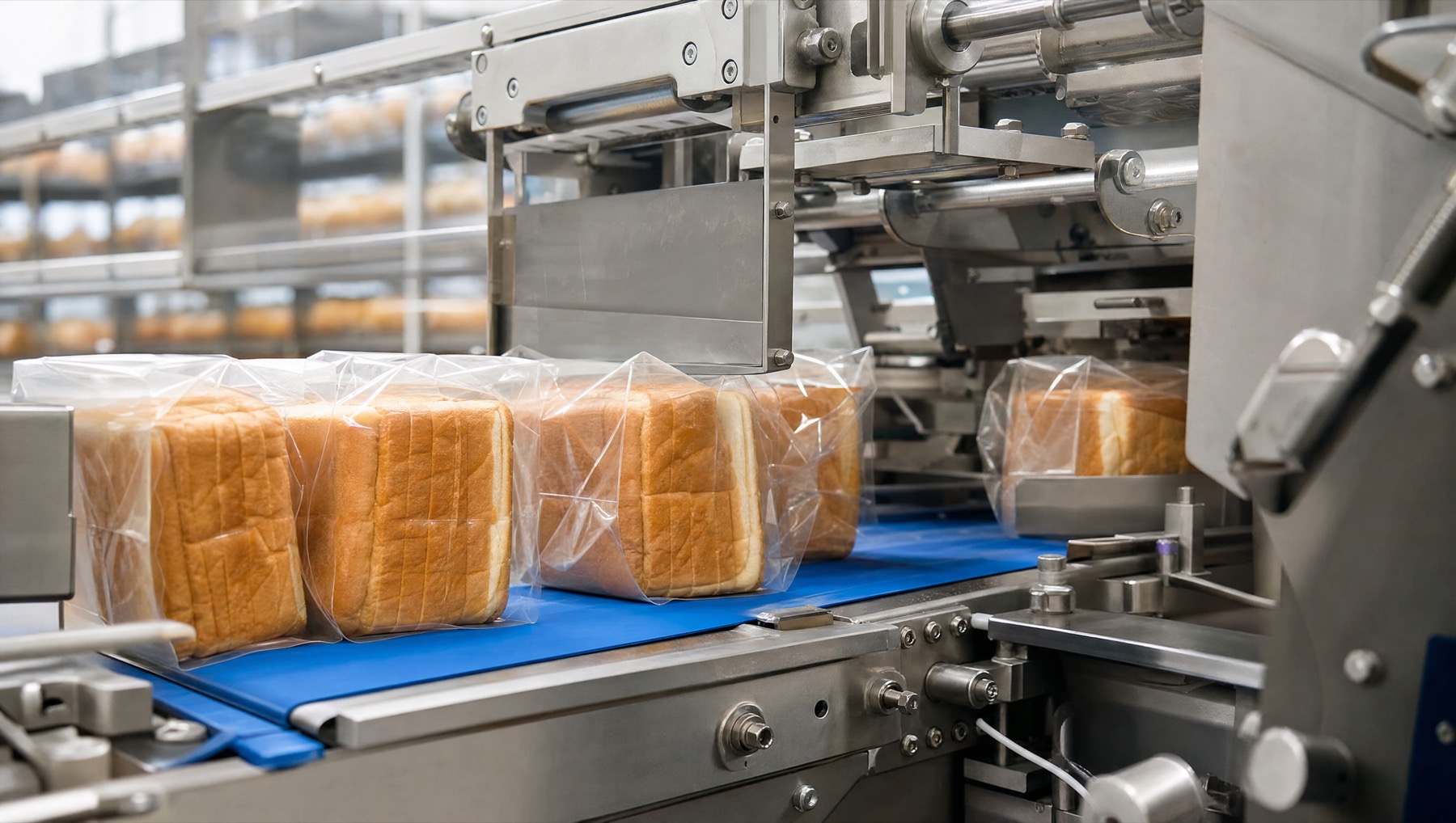
Bag geometry, header design and film stiffness all decide whether a line runs clean at speed — or jams. A wicket bag that works beautifully by hand can stall a high-speed automated line. Reliable performance starts at the design stage. Built for the equipment Reinforced headers, consistent gauge and the right gusset style keep bags … Read more

From extrusion to converting: the vertical integration advantage

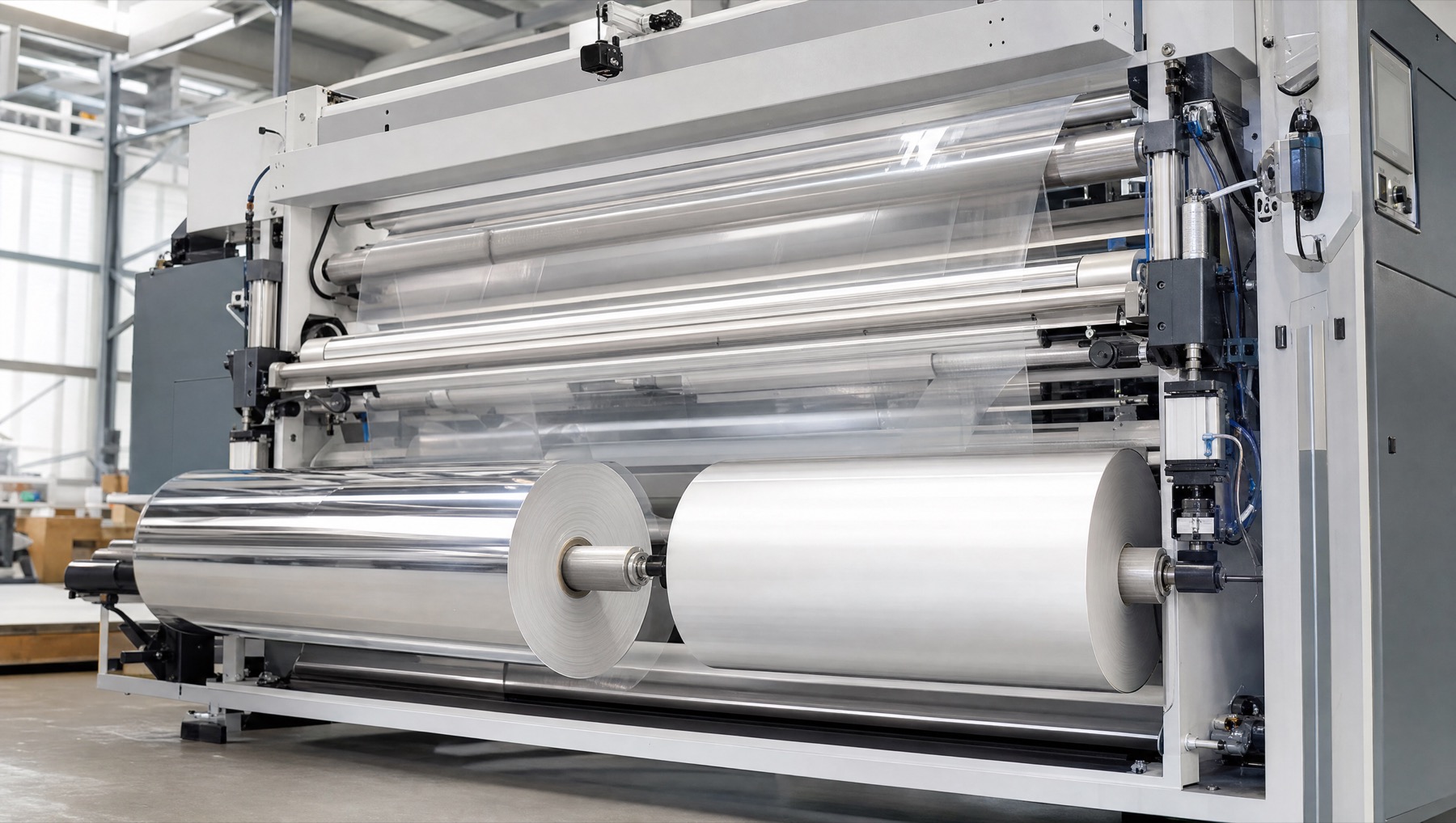
Controlling every step — extrusion, printing, lamination and converting — is what makes supply reliable and quality consistent. When one supplier controls the full process, there are fewer handoffs, fewer surprises and tighter quality control from raw material to finished package. One supplier, end to end Our vertically integrated model — blown film extrusion, HD … Read more